
Family Vacations: A Prime Opportunity to Build Language
- karentspeech
- Jul 15
- 3 min read
I’m writing this from a vacation with one of my sons.

As I’ve been watching families at restaurants, on shuttles, taking hikes or exploring gift shops, I keep catching little snippets of conversations.
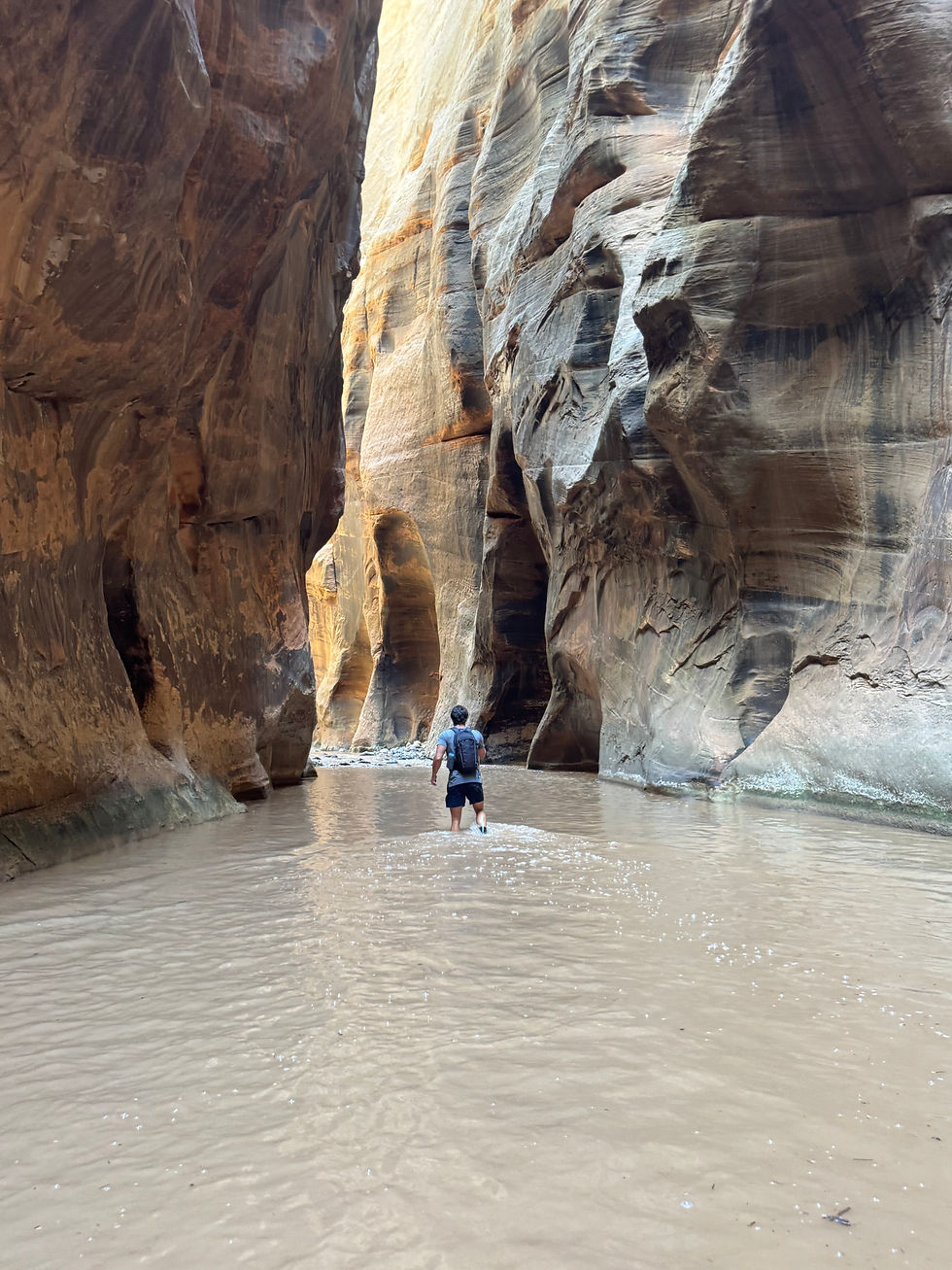
A dad explaining facts about Zion National Park.
A child pointing to a dog saying, “A dog is an animal”.
A mom helping her child decide on a flavor of ice cream.
Brothers arguing over who gets to go first.
Grandparents laughing as they tell stories.
It reminded me that vacations may be one of the most overlooked opportunities to build a child’s language. Not because you’re intentionally “teaching”. But because you’re together.
When everyday schedules slow down, something wonderful happens. Families naturally spend more time talking, laughing, asking questions, solving problems, telling stories, and sharing new experiences. Those are exactly the moments that help children build communication skills.
The best language learning doesn’t happen sitting at a table with flashcards. It happens while living life together.

Why Vacations Are So Powerful for Language Development
Every vacation is filled with opportunities to hear and use new vocabulary.
Children experience places they’ve never seen.
They ask questions.
They notice new things.
They hear conversations between adults.
They learn words that would never come up during an ordinary Tuesday at home.
Whether you’re visiting a National Park, the beach, an amusement park or simply grandma’s house, your child is constantly making connectiongs between words and real-life experiences.
Don’t Miss the Journey
One thing I notice every time I travel is how quickly many children are handed a screen the moment they buckle into a car or board an airplane.
Screens can have their place, as long trips can be exhausting. But before the tablet comes out, remember that the journey itself is full of opportunities for conversation.
Some of the best family memories and the best language learning can happen before you ever reach your destination.
Easy Ways to Build Language While Traveling
Play “I spy”
Instead of simply finding objects, describe them!
“I spy something round”
“I spy something that flies”
“I spy something that starts with the /b/ sound”
This builds vocabulary, listening and describing skills.
Talk about what you see
Narrate what’s happening around you.
“Look at the huge bridge”.
“I wonder where that road goes”.
“Those clouds look really dark”.
“Wow that brown horse is running fast”.
Children learn new words by hearing adults think out loud.
Ask open ended questions
Instead of questions with one correct answer, try:
“What do you think will happen next?”
“Which ride are you most excited about?”
“Why do you think that boat is so big?”
“How is the outdoors different from where we live?”
Questions like these encourage longer conversations. Don’t let the conversation end with their answer. Add your thoughts and see where it goes! Make sure not to keep asking questions, but instead make several comments yourself. Use the question to start the conversation.
Tell stories
Take turns making up silly stories. One person starts with a sentence, the next person adds another. By the end of the trip you’ll have create a family story that’s probably hilarious. Your child has practiced sequencing, imagination and expressive language.
Play Category Games
Name things that belong together:
Animals
Foods
Things at the beach
Things that fly
Things that are green.
See how many you can name in each category. Ask your child’s input for the next category. Have fun and build vocabulary at the same time!
Practice Describing
Take turns describing something without saying it’s name. The other family members try to guess. They can ask for more “clues” or details if they don’t know.
This builds vocabulary, critical thinking, and descriptive language.
The conversations and games you play become memories, and these memories become the foundation for stronger language and communication skills.

Karen Taylor, M.S., CCC-SLP, CAS
Speech-Language Pathologist
Founder, Universal Speech Strategies
"Helping parents and professionals build communication through practical, evidence-based strategies."


Comments